
Washing soda, a common household staple, often flies under the radar despite its remarkable versatility. This unassuming white powder, also known as sodium carbonate, holds a powerful cleaning punch, offering a natural and cost-effective alternative to many commercial cleaning products. From tackling stubborn stains to softening water, washing soda’s applications span a wide spectrum, making it a valuable asset in any home. Its chemical properties, manufacturing process, and diverse uses deserve a closer look, offering insights into its efficacy and safety.
This exploration delves deep into the science and application of washing soda. We will uncover its chemical composition, comparing it to baking soda, and examine its diverse uses within the home, from cleaning surfaces to unclogging drains. The discussion extends to laundry care, including stain removal and water softening, and investigates essential safety precautions. Furthermore, we’ll explore its applications beyond household cleaning, compare it with other cleaning agents, and provide a comprehensive understanding of this versatile substance.
Understanding the fundamental chemical composition of washing soda is essential for its effective use.
Washing soda, a common household and industrial chemical, is frequently employed for cleaning and water softening. A clear understanding of its chemical makeup is crucial for safe and efficient utilization. This section delves into the specific chemical formula of washing soda, details its manufacturing process, and contrasts its properties with those of baking soda, highlighting their distinct applications.
Chemical Formula and Composition
The chemical formula for washing soda, also known as sodium carbonate, is
Na₂CO₃
. This formula provides insight into the compound’s structure and the elements that comprise it. Sodium carbonate is an ionic compound, indicating that it is formed by the electrostatic attraction between positively charged ions (cations) and negatively charged ions (anions).
The formula reveals the presence of three key components: sodium (Na), carbon (C), and oxygen (O). The subscript “2” following the “Na” indicates that there are two sodium atoms in each molecule of sodium carbonate. The “C” represents a single carbon atom, and the “3” following the “O” signifies that there are three oxygen atoms.
Sodium, a highly reactive alkali metal, contributes significantly to the compound’s alkalinity. It readily loses an electron to form a positive ion, Na⁺. Carbon, a nonmetal, is the central element in the carbonate ion (CO₃²⁻). This ion carries a negative two charge, which balances the positive charges from the two sodium ions, thus creating a neutral compound. Oxygen, also a nonmetal, completes the carbonate ion, bonding with the carbon atom to form a triangular planar structure. The presence of oxygen atoms within the carbonate ion contributes to the compound’s ability to react with acids and other substances.
Washing soda often exists in a hydrated form, meaning it incorporates water molecules into its crystal structure. The hydrated form is typically written as
Na₂CO₃·10H₂O
, known as sodium carbonate decahydrate. The “10H₂O” indicates that ten water molecules are associated with each molecule of sodium carbonate. This hydrated form is also referred to as “washing soda crystals” due to its crystalline appearance. The presence of water molecules influences the compound’s physical properties, such as its solubility and melting point. When washing soda is exposed to air, it can lose water molecules and effloresce, forming a powdery substance. Understanding these details is critical for correctly handling and storing washing soda.
Manufacturing Process
The primary method for manufacturing washing soda is the Solvay process, a large-scale industrial process developed in the late 19th century. The Solvay process is an ingenious method that utilizes readily available raw materials, namely sodium chloride (common salt), limestone (calcium carbonate), and ammonia.
The Solvay process can be summarized in several key steps:
- Brine Preparation: A concentrated solution of sodium chloride (brine) is prepared.
- Ammonia Saturation: The brine is saturated with ammonia gas (NH₃). This increases the absorption of carbon dioxide in the next step.
- Carbonation: Carbon dioxide (CO₂) gas, produced by heating limestone, is bubbled through the ammonia-saturated brine. This step leads to the formation of sodium bicarbonate (NaHCO₃), which precipitates out of the solution due to its relatively low solubility. The chemical reaction is:
NaCl + H₂O + CO₂ + NH₃ → NaHCO₃ + NH₄Cl
- Filtration and Calcination: The sodium bicarbonate precipitate is filtered and then heated (calcined). Calcination converts sodium bicarbonate into sodium carbonate (washing soda), releasing water and carbon dioxide:
2NaHCO₃ → Na₂CO₃ + H₂O + CO₂
- Purification and Crystallization: The resulting sodium carbonate is purified and then crystallized, often resulting in sodium carbonate decahydrate (washing soda crystals).
The Solvay process is highly efficient and has significantly reduced the cost of producing washing soda, making it accessible for a wide range of applications. This process has become the cornerstone of the global washing soda industry.
Comparison with Baking Soda
While both washing soda and baking soda are sodium-based compounds used for cleaning and other purposes, their chemical properties and applications differ significantly. The key difference lies in their alkalinity; washing soda is much more alkaline (basic) than baking soda. This difference affects their uses, safety precautions, and effectiveness. The following table provides a comparison:
| Property | Washing Soda (Sodium Carbonate – Na₂CO₃) | Baking Soda (Sodium Bicarbonate – NaHCO₃) |
|---|---|---|
| Uses |
|
|
| Safety Precautions |
|
|
| Effectiveness |
|
|
Unveiling the diverse applications of washing soda in household cleaning tasks will empower users.
Washing soda, a potent cleaning agent, offers a natural and cost-effective alternative to many commercial cleaning products. Its alkaline nature makes it highly effective at dissolving grease, removing stains, and softening water. Understanding how to harness its power can transform your cleaning routine, promoting a cleaner, healthier home environment.
Cleaning Various Household Surfaces with Washing Soda
Washing soda’s versatility shines in its ability to tackle a wide array of cleaning challenges. Its effectiveness stems from its chemical properties, particularly its alkalinity, which reacts with acidic dirt and grime, breaking them down and making them easier to remove.
Here are four distinct ways washing soda can be utilized for cleaning various surfaces:
1. Cleaning Kitchen Surfaces: Washing soda is excellent for degreasing kitchen surfaces, including countertops, stovetops, and inside the oven. To clean, dissolve a few tablespoons of washing soda in warm water. Apply the solution to the surface, let it sit for a few minutes to allow the washing soda to react with the grease and grime, and then wipe clean with a damp cloth. The alkalinity of the washing soda neutralizes the acidic grease, breaking it down and lifting it from the surface. For oven cleaning, a paste of washing soda and water can be applied to the interior, left to sit for several hours, and then scrubbed away.
2. Removing Stains from Fabric: Washing soda is a powerful stain remover. It can be used to pretreat heavily soiled clothing or to boost the cleaning power of laundry detergent. For stain removal, make a paste of washing soda and water and apply it directly to the stain. Allow the paste to sit for several minutes, or even hours for stubborn stains, before washing the garment as usual. The washing soda helps to break down the chemical bonds that hold the stain to the fabric fibers, facilitating its removal. For example, a grass stain on a white shirt can be treated by applying washing soda paste, allowing it to sit, and then washing it in hot water; it will likely disappear.
3. Cleaning Bathroom Tiles and Grout: Washing soda can effectively clean bathroom tiles and grout, removing soap scum, mildew, and hard water stains. Dissolve a half cup of washing soda in a gallon of warm water. Apply the solution to the tiles and grout, scrub with a brush, and rinse thoroughly. The alkaline nature of washing soda helps to dissolve the soap scum and hard water deposits, while the scrubbing action removes the loosened grime. For particularly stubborn grout stains, a paste of washing soda and water can be applied directly to the grout lines and left to sit for a short time before scrubbing.
4. Cleaning Drains: Washing soda can be used to help clear slow or clogged drains, offering a safer alternative to harsh chemical drain cleaners. The process involves pouring washing soda followed by boiling water down the drain. The washing soda helps to break down grease and hair clogs, and the hot water flushes them away.
Clearing Clogged Drains with Washing Soda
Clearing a clogged drain effectively and safely is achievable with washing soda. This method avoids the use of harsh chemicals that can damage pipes and pose health risks.
Here’s a detailed procedure:
1. Remove Standing Water: If there’s standing water in the sink or tub, remove as much of it as possible. You can use a cup or small container to scoop it out.
2. Add Washing Soda: Pour about one cup of washing soda down the drain.
3. Pour in Boiling Water: Carefully pour a pot of boiling water down the drain. Be cautious to avoid splashing and potential burns. The boiling water helps activate the washing soda and flush away the clog.
4. Wait and Flush: Let the washing soda and hot water sit in the drain for at least 30 minutes, or even longer for more severe clogs.
5. Flush Again: After the waiting period, flush the drain with more hot water to ensure the clog is completely cleared. Repeat steps if necessary.
6. Safety Precautions:
* Always wear gloves to protect your hands.
* Avoid mixing washing soda with other cleaning chemicals, especially those containing acids, as this can produce dangerous fumes.
* Use caution when handling boiling water to prevent burns.
* If the clog persists after several attempts, consult a plumber.
Benefits of Using Washing Soda for Laundry
Washing soda offers a range of benefits for laundry, making it a valuable addition to your laundry routine. Here’s a bulleted list outlining those advantages:
* Stain Removal: Washing soda effectively removes a variety of stains, including grease, oil, and food stains, by breaking down the chemical bonds that hold the stain to the fabric.
* Brightening Whites: Washing soda helps to brighten whites by removing yellowing and dinginess caused by hard water and detergent buildup.
* Softening Water: Washing soda softens hard water by binding with the minerals that make water hard, such as calcium and magnesium, allowing detergent to work more effectively. This results in cleaner, brighter clothes and reduces the amount of detergent needed.
* Boosting Detergent Performance: Adding washing soda to your laundry boosts the cleaning power of your detergent, leading to more effective stain removal and a deeper clean.
* Deodorizing Clothes: Washing soda helps to eliminate odors from clothes by neutralizing the acidic compounds that cause them.
* Cost-Effectiveness: Washing soda is a relatively inexpensive cleaning agent, making it a cost-effective alternative to commercial laundry boosters and stain removers.
Exploring the use of washing soda in laundry care presents valuable insights.
Washing soda, a powerful alkali, offers significant advantages in laundry care, transforming the cleaning process and improving results. Its ability to boost detergent performance, tackle water hardness, and pre-treat stains makes it a valuable addition to any laundry routine. Understanding its properties and proper application is key to unlocking its full potential and achieving cleaner, fresher laundry.
Enhancing Detergent Effectiveness
Washing soda significantly enhances the effectiveness of laundry detergents through several mechanisms, primarily by addressing water hardness and optimizing pH levels. Hard water, rich in minerals like calcium and magnesium, can hinder detergent performance by reacting with the detergent and forming insoluble compounds, reducing its cleaning power. Washing soda, with its high alkalinity, acts as a water softener, precipitating these minerals and preventing them from interfering with the detergent’s action. This allows the detergent to work more efficiently, leading to cleaner clothes.
The pH level of the wash water also plays a crucial role. Most laundry detergents are designed to work optimally in a slightly alkaline environment. Washing soda raises the pH of the water, creating the ideal conditions for detergents to break down dirt, grease, and stains. This is because alkaline environments facilitate the saponification process, where fats and oils are converted into soap, making them easier to remove. Furthermore, a higher pH also helps to lift dirt and grime from the fabric fibers, preventing them from redepositing onto the clothes during the wash cycle.
The chemical formula for washing soda is Na2CO3 (sodium carbonate). This compound readily dissolves in water, releasing carbonate ions (CO32-). These ions then react with the calcium and magnesium ions present in hard water, forming insoluble calcium carbonate and magnesium carbonate, effectively softening the water. This reaction can be represented as:
Ca2+ (or Mg2+) + CO32- → CaCO3 (or MgCO3)
Washing soda also helps to emulsify oily stains, breaking them down into smaller particles that can be easily washed away. It’s important to note that the amount of washing soda to use varies depending on water hardness. Generally, a tablespoon per load is a good starting point for moderately hard water, increasing the amount as needed for harder water conditions. This ensures optimal cleaning without damaging fabrics. Overuse can potentially lead to fabric damage, so it is crucial to use it judiciously and follow manufacturer’s instructions for both the washing machine and detergent. For example, a washing machine user in a city with hard water might notice significantly cleaner clothes and reduced detergent use after incorporating washing soda into their routine, leading to savings and improved laundry results.
Suitable and Unsuitable Fabrics
Certain fabric types benefit most from washing soda, while others are more susceptible to damage. Understanding these differences is crucial for preventing fabric degradation and maintaining the longevity of your clothes.
- Suitable Fabrics: Cotton, linen, and durable synthetic fabrics like polyester and nylon are generally well-suited for washing soda. These fabrics can withstand the alkaline environment and benefit from the enhanced cleaning power. Washing soda effectively removes dirt and stains from these materials without causing significant damage.
- Unsuitable Fabrics: Delicate fabrics such as silk, wool, and rayon should be avoided. These fibers are more sensitive to alkaline conditions and can be damaged, leading to fading, shrinking, or even disintegration. Additionally, washing soda can be too harsh for certain colors, causing them to bleed or fade.
- Colorfastness Considerations: Always test washing soda on a hidden area of a garment, such as an inside seam, to check for colorfastness before treating the entire item. This is especially important for brightly colored or patterned fabrics.
- Fabric Blends: When dealing with fabric blends, the most delicate fiber in the blend should dictate the approach. For example, a cotton-silk blend should be treated as silk and washed with care, avoiding washing soda.
Pre-treating Stains with Washing Soda
Pre-treating stains with washing soda is a highly effective method for removing stubborn marks before they set in during the wash cycle. The process involves creating a solution, applying it to the stain, and allowing it to work before washing the garment. Here’s a step-by-step guide:
- Preparation: First, mix washing soda with warm water to create a paste or solution. The concentration depends on the stain type and fabric. For light stains, a weaker solution is sufficient, while tougher stains may require a thicker paste.
- Application: Apply the washing soda solution directly to the stain. Gently rub the solution into the fabric, using a soft brush or your fingers. Avoid excessive rubbing, which can damage the fibers.
- Dwell Time: Allow the washing soda to sit on the stain for a specific period. For light stains, 15-30 minutes may be sufficient. For tougher stains, such as grease or blood, leave the solution on for up to an hour or even longer. Keep the fabric moist during this time by occasionally spraying it with water.
- Rinsing and Washing: After the dwell time, rinse the treated area thoroughly with cold water. Then, wash the garment as usual, following the care label instructions.
Here are some common household stains and how to treat them:
- Grease Stains: Create a paste of washing soda and water. Apply it to the stain, rub gently, and let it sit for about 30 minutes before rinsing and washing.
- Blood Stains: Soak the fabric in cold water and then apply a washing soda paste. Let it sit for up to an hour before rinsing and washing in cold water. Avoid hot water, as it can set the stain.
- Coffee and Tea Stains: Mix washing soda with water to create a solution. Apply the solution to the stain, blot gently, and let it sit for 15-30 minutes before rinsing and washing.
- Ink Stains: For ink stains, apply a washing soda paste and allow it to sit for a longer period, perhaps an hour or more, before rinsing and washing. Test on an inconspicuous area first, as ink can be stubborn.
- Grass Stains: Rub washing soda paste into the stain and allow it to sit for about 30 minutes before washing.
Investigating the safety precautions when handling washing soda is critically important.
Understanding the safe handling of washing soda is paramount to prevent adverse health effects and ensure its effective and responsible use. Washing soda, while a powerful cleaning agent, presents certain hazards that necessitate careful attention to safety protocols. This section details the potential risks and provides actionable guidance for safe practices.
Potential Hazards of Washing Soda
Washing soda, or sodium carbonate (Na₂CO₃), is a strong alkaline substance. Its chemical properties, while beneficial for cleaning, can pose risks if not handled correctly.
- Skin Irritation: Direct contact with washing soda can cause skin irritation, ranging from mild redness and itching to more severe burns. This is because washing soda raises the pH of the skin, disrupting its natural protective barrier. The severity of the reaction depends on the concentration of the washing soda solution and the duration of contact.
- Eye Irritation: Washing soda is particularly hazardous to the eyes. Exposure can lead to severe irritation, including redness, pain, and potentially permanent damage. Splashes of washing soda solution or even dust particles entering the eyes can cause significant discomfort and require immediate medical attention.
- Respiratory Irritation: Inhaling washing soda dust can irritate the respiratory tract, causing coughing, sneezing, and shortness of breath. This is especially true for individuals with pre-existing respiratory conditions like asthma.
- Ingestion: Swallowing washing soda can cause severe burns to the mouth, throat, and esophagus. Symptoms may include abdominal pain, nausea, vomiting, and difficulty swallowing. In severe cases, ingestion can be life-threatening.
Recommendations for Safe Handling
To mitigate the risks associated with washing soda, it is essential to follow specific safety guidelines.
- Wear Protective Gear: Always wear appropriate personal protective equipment (PPE) when handling washing soda. This includes:
- Gloves: Chemical-resistant gloves, such as those made of nitrile or neoprene, are crucial to protect the skin from direct contact.
- Eye Protection: Safety goggles or a face shield should be worn to prevent eye exposure to splashes or dust.
- Respiratory Protection: If there is a risk of inhaling dust, a dust mask or respirator should be used.
- Work in a Well-Ventilated Area: Ensure adequate ventilation when using washing soda. This helps to minimize the concentration of airborne dust and fumes. Open windows and doors or use a fan to circulate air.
- Avoid Mixing with Other Chemicals: Never mix washing soda with acidic cleaners, such as vinegar or lemon juice, as this can produce carbon dioxide gas, which can cause pressure build-up in a closed container. Avoid mixing with other chemicals that may lead to dangerous reactions.
- Dilute Properly: Always dilute washing soda with water according to the instructions on the product label. Using a concentrated solution increases the risk of skin and eye irritation.
- First Aid Measures: Be prepared to take immediate action in case of exposure:
- Skin Contact: Rinse the affected area thoroughly with plenty of water for at least 15 minutes. Remove contaminated clothing and seek medical attention if irritation persists.
- Eye Contact: Immediately flush the eyes with copious amounts of water for at least 15 minutes, lifting the eyelids to ensure thorough rinsing. Seek immediate medical attention.
- Inhalation: Move the affected person to fresh air. Seek medical attention if breathing difficulties occur.
- Ingestion: Do not induce vomiting. Give the person small sips of water or milk to drink. Seek immediate medical attention.
- Read and Follow Instructions: Always read and carefully follow the instructions on the product label. This will provide specific guidance on dilution, usage, and safety precautions.
Environmental Impact Comparison
The environmental impact of cleaning agents varies significantly, and comparing washing soda with other alternatives highlights its sustainability profile.
- Biodegradability: Washing soda is a naturally occurring compound and is readily biodegradable. It breaks down into harmless substances in the environment. Many conventional cleaning agents, however, contain synthetic chemicals that may persist in the environment for extended periods, contributing to pollution.
- Sustainability: Washing soda production often involves less energy-intensive processes compared to the manufacture of some synthetic cleaning agents. Its use can reduce the reliance on products containing potentially harmful chemicals.
- Comparison with Specific Cleaning Agents:
- Bleach: Bleach, a strong oxidizing agent, can release harmful chemicals into the environment and can be toxic to aquatic life.
- Ammonia: Ammonia can be harmful if it enters waterways and can react with other chemicals to form toxic compounds.
- Commercial Detergents: Many commercial detergents contain phosphates and other synthetic chemicals that can contribute to eutrophication (excessive nutrient enrichment) in waterways, leading to algal blooms and harming aquatic ecosystems.
Safe Storage of Washing Soda
Proper storage is critical to prevent accidents and ensure the longevity of washing soda.
- Optimal Conditions: Store washing soda in a cool, dry place, away from direct sunlight and sources of heat.
- Container: Keep washing soda in its original, tightly sealed container. This prevents moisture absorption, which can cause the washing soda to clump and lose its effectiveness.
- Accessibility: Store washing soda out of reach of children and pets. This is essential to prevent accidental ingestion or misuse.
- Labeling: Ensure that the container is clearly labeled with the product name and any relevant safety warnings.
- Avoid Cross-Contamination: Do not store washing soda near food products or other items that could be contaminated.
- Disposal: Dispose of any unused washing soda responsibly, following local regulations. Small amounts can often be safely flushed down the drain with plenty of water. Large quantities may require disposal at a hazardous waste facility.
Uncovering the uses of washing soda beyond household cleaning offers expanded applications.
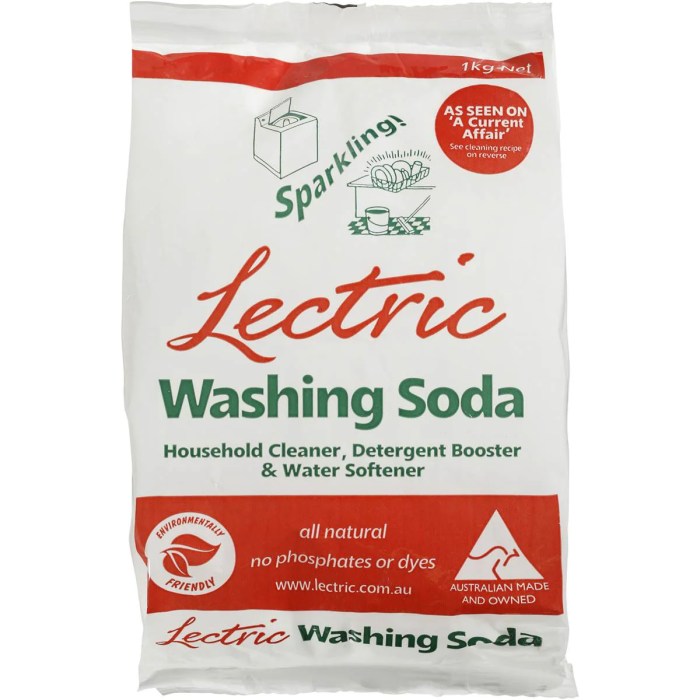
Beyond its prowess in tackling grime and grease within the home, washing soda boasts a versatility that extends to various other applications. Its alkaline nature and chemical properties make it a useful agent in several unexpected areas, offering solutions for gardening, paint removal, and water softening. Understanding these alternative uses expands the practical value of washing soda, showcasing its adaptability beyond its conventional role.
Alternative Applications of Washing Soda
Washing soda’s chemical makeup allows for its effective use in a range of applications beyond typical household cleaning. These applications capitalize on its ability to react with various substances, making it a valuable tool in several specialized areas.
- Gardening: Washing soda can adjust soil pH, making it less acidic. This is particularly useful in areas with naturally acidic soil, which can hinder plant growth. To use washing soda in gardening, a soil test should be conducted first to determine the pH level. Then, a small amount of washing soda (typically a few tablespoons per square foot, but this varies based on soil acidity) is mixed into the soil. It is crucial to avoid over-application, as excessively alkaline soil can also harm plants. Consider the example of a homeowner in the Pacific Northwest who noticed poor growth in their hydrangeas, which thrive in slightly acidic soil. After a soil test revealed a pH of 5.0, they applied washing soda, gradually increasing the pH to 6.0, leading to healthier plants.
- Paint Removal: Washing soda acts as a powerful stripping agent, making it useful for removing old paint from various surfaces. It is particularly effective on painted wood and metal. To use washing soda for paint removal, a paste is made by mixing washing soda with water. This paste is then applied to the painted surface, allowed to sit for a period (often 15-30 minutes, but this depends on the type of paint), and then scraped off. Safety precautions are critical when using this method, including wearing gloves and eye protection. Consider the example of an antique furniture restorer who successfully used a washing soda paste to remove layers of old paint from a wooden table, revealing the original wood finish.
- Degreasing and Cleaning Engines and Machine Parts: The powerful cleaning properties of washing soda can be employed to degrease and clean engines and machine parts. The washing soda solution is mixed with hot water and used to scrub or soak the parts. It effectively removes oil, grease, and grime, leaving the parts clean and ready for repair or reassembly. This is a common practice in automotive repair shops and machine shops. Consider the example of a mechanic who used a washing soda solution to clean a heavily soiled engine block, which improved its performance and facilitated repairs.
Water Softening with Washing Soda
Washing soda can be utilized to soften hard water, which contains high concentrations of minerals like calcium and magnesium. This process reduces the formation of soap scum and improves the effectiveness of detergents.
- The Process: Washing soda softens water by reacting with the calcium and magnesium ions, forming insoluble precipitates that can be removed. A specific amount of washing soda is added to the water. The amount depends on the water’s hardness, which can be determined through a water test. The washing soda reacts with the hard water minerals, causing them to precipitate out of the solution.
- Advantages: Water softening with washing soda is a relatively inexpensive method. It is readily available and easy to use. Softening water improves the efficiency of cleaning agents, reduces soap scum, and can extend the lifespan of appliances that use water.
- Disadvantages: Overuse of washing soda can make the water too alkaline. It can also leave a residue. Washing soda should not be used in drinking water. Therefore, softened water for drinking needs to be obtained from another source.
Homemade Washing Soda from Baking Soda
The process of creating washing soda from baking soda is a simple, albeit crucial, transformation. This involves heating baking soda to drive off carbon dioxide and water, leaving behind the more alkaline washing soda.
Steps for Making Homemade Washing Soda:
- Ingredients: Baking soda (sodium bicarbonate).
- Equipment: Baking sheet, oven-safe container (such as a glass baking dish), oven mitts, and safety glasses.
- Safety Precautions: Wear safety glasses to protect eyes from potential splashes. Work in a well-ventilated area. Avoid breathing in the fumes.
- Procedure:
- Preheat the oven to 400°F (200°C).
- Spread a thin layer of baking soda on the baking sheet or in the oven-safe container.
- Bake for one hour. This process converts the baking soda (sodium bicarbonate) into washing soda (sodium carbonate).
- Allow the product to cool completely before handling.
- Store the homemade washing soda in an airtight container, away from moisture.
Comparing washing soda with other cleaning agents provides a comparative perspective.
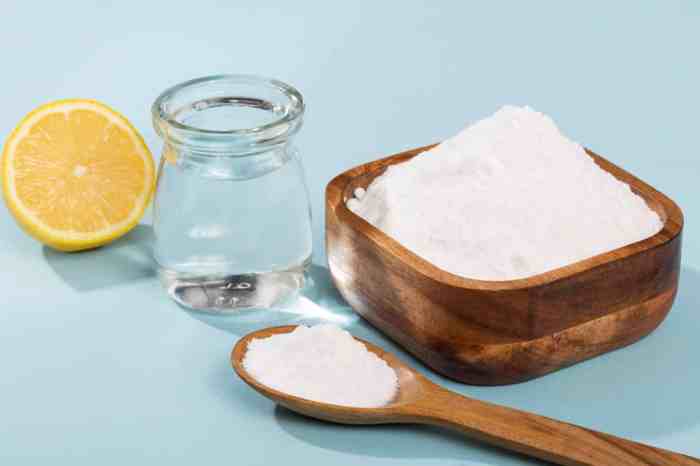
Understanding the effectiveness and suitability of washing soda requires a clear comparison with other readily available cleaning agents. This comparative analysis is crucial for informed decision-making, allowing consumers to choose the most appropriate cleaning solution for their specific needs. By examining the advantages and disadvantages of washing soda alongside commercial products, and by contrasting its properties with those of alternatives like borax, a comprehensive understanding of its place in the cleaning landscape can be achieved.
Advantages and Disadvantages of Washing Soda versus Commercial Cleaning Products
The choice between washing soda and commercial cleaning products hinges on several factors, including cost, environmental impact, and effectiveness. Commercial products often boast convenience and specialized formulations, while washing soda offers a more economical and environmentally friendly alternative.
Commercial cleaning products frequently contain a cocktail of chemicals designed for specific cleaning tasks. These products often excel at quickly removing stubborn stains and providing a fresh scent. However, they also present several disadvantages:
- Cost: Commercial cleaners are generally more expensive than washing soda, especially when considering the concentration and frequency of use. Over time, the accumulated cost of these products can be significant.
- Environmental Impact: Many commercial cleaners contain harsh chemicals, such as phosphates, chlorine bleach, and synthetic fragrances, that can pollute water sources and harm aquatic life. The packaging of these products also contributes to environmental waste.
- Health Concerns: Some individuals may experience skin irritation, respiratory problems, or other adverse health effects from exposure to the chemicals in commercial cleaners.
- Limited Versatility: While commercial products are formulated for specific tasks, washing soda’s versatility allows it to be used in various cleaning applications. Specialized products may clutter the cleaning cabinet.
Washing soda, on the other hand, presents a compelling alternative:
- Cost-Effectiveness: Washing soda is a relatively inexpensive cleaning agent, making it a budget-friendly option for household cleaning.
- Environmental Friendliness: Washing soda is a naturally occurring compound (sodium carbonate) and is generally considered to be less harmful to the environment than many commercial cleaners. It is biodegradable and does not typically contain harmful chemicals.
- Versatility: Washing soda can be used for a wide range of cleaning tasks, including laundry, degreasing, and removing stains.
- Simplicity: Washing soda has a simple chemical composition, reducing the potential for exposure to multiple harmful chemicals.
However, washing soda also has its limitations:
- Effectiveness on certain stains: While effective on many stains, washing soda may not be as effective as some commercial products on particularly stubborn or specialized stains.
- Potential for skin irritation: Washing soda is alkaline and can cause skin irritation if not handled properly. Wearing gloves is recommended.
- Time and effort: Preparing washing soda solutions and applying them may require more time and effort than using pre-mixed commercial products.
- Availability: While readily available in many stores, it may not be as ubiquitous as commercial cleaning products in some areas.
Cost-Effectiveness of Washing Soda versus Other Cleaning Alternatives
The cost-effectiveness of washing soda is a significant advantage, particularly when compared to commercial alternatives. A direct comparison reveals the economic benefits of using washing soda for various cleaning tasks.
The cost of washing soda is typically considerably lower than the combined cost of multiple commercial cleaning products. For instance, a single box of washing soda can often replace several specialized cleaners, such as laundry detergents, grease removers, and all-purpose cleaners. The concentrated nature of washing soda further enhances its cost-effectiveness, as a small amount can be diluted to create effective cleaning solutions.
Consider the cost of laundry detergents. A typical bottle of commercial laundry detergent can cost between $10 and $20. A box of washing soda, which can be used for laundry and other cleaning purposes, may cost only $3 to $5. This represents a substantial saving, especially for frequent laundry users.
The cost of specialized cleaners, such as oven cleaners, drain cleaners, and bathroom cleaners, can also add up quickly. Washing soda can be used as a component in homemade cleaning solutions for these tasks, reducing the need to purchase multiple specialized products.
The environmental benefits of using washing soda can also translate into cost savings. By reducing reliance on harsh chemicals, the risk of damage to appliances or surfaces is lowered, potentially extending their lifespan and reducing replacement costs.
Furthermore, the ability to create cleaning solutions at home eliminates the cost of packaging, transportation, and marketing associated with commercial products.
In summary, the cost-effectiveness of washing soda is evident in its lower purchase price, its versatility in replacing multiple commercial products, and its potential to reduce the need for specialized cleaners.
Differences in Effectiveness between Washing Soda and Borax for Various Cleaning Purposes
Washing soda and borax, while both sodium-based cleaning agents, have distinct properties and applications. Understanding these differences is crucial for selecting the appropriate cleaner for specific tasks.
Washing soda, also known as sodium carbonate (Na₂CO₃), is a strong alkali. Borax, or sodium borate (Na₂B₄O₇·10H₂O), is a milder alkali. This difference in alkalinity affects their effectiveness in various cleaning applications.
Stain Removal:
- Washing Soda: Washing soda is highly effective at removing grease, oil, and protein-based stains. Its alkalinity helps to break down these substances. For example, washing soda can be used to remove grease stains from clothing by pre-soaking the garment in a washing soda solution before washing.
- Borax: Borax is effective at removing some stains, but it is generally less potent than washing soda. It is particularly effective at removing mold and mildew stains. Borax can also act as a bleaching agent and can help to brighten whites.
Water Softening:
- Washing Soda: Washing soda is an effective water softener. It reacts with the minerals in hard water, such as calcium and magnesium, to prevent them from interfering with the cleaning process. This enhances the effectiveness of detergents and soaps. For example, adding washing soda to laundry can improve the cleaning power of the detergent.
- Borax: Borax also has some water-softening properties, but it is less effective than washing soda.
Other Cleaning Purposes:
- Washing Soda: Washing soda is often used for general cleaning, degreasing, and removing tough stains. It can be used to clean ovens, drains, and surfaces.
- Borax: Borax is often used as a disinfectant, deodorizer, and insecticide. It is commonly used to clean toilets, kill weeds, and control insects.
Specific Examples:
To remove a greasy stain from a shirt, pre-soaking it in a solution of washing soda is generally more effective than using borax.
For mold and mildew removal in a bathroom, borax is often preferred.
Adding washing soda to the washing machine improves the cleaning performance of laundry detergent.
The choice between washing soda and borax depends on the specific cleaning task. Washing soda is generally preferred for its strong degreasing and water-softening properties, while borax is favored for its disinfectant and insecticidal properties.
Final Summary

In conclusion, washing soda emerges as a powerful, yet often overlooked, cleaning agent with a multitude of applications. Its effectiveness in household cleaning, laundry care, and even gardening highlights its versatility. While handling it with care is crucial, the benefits of using washing soda, from cost savings to environmental considerations, are undeniable. By understanding its chemical properties, embracing its diverse uses, and adhering to safety guidelines, individuals can harness the power of washing soda to create a cleaner, more sustainable home environment. Its potential to replace many commercial cleaning products and reduce reliance on harsh chemicals makes it a smart choice for the eco-conscious consumer.
